Understanding the psychology behind gambling behavior what drives the risk-taker
The Thrill of Uncertainty
The allure of gambling often stems from the thrill of uncertainty. This excitement activates the brain’s reward system, releasing dopamine, a neurotransmitter associated with pleasure. Many gamblers experience a rush when placing bets, which can create a cycle of excitement and craving. This psychological high reinforces their behavior, making them more likely to take risks in future gambling activities. Moreover, players can explore diverse options at https://pinup-game.in/, enhancing their experience further.

Additionally, the unpredictability of outcomes in gambling environments plays a crucial role in shaping behavior. The potential for an unexpected win can lead individuals to engage in risky behaviors, fueling their desire to chase losses or replicate earlier successes. As a result, the thrill becomes a primary motivator for continued participation in gambling activities.
The Role of Cognitive Biases
Cognitive biases significantly influence gambling behavior, often leading individuals to make irrational decisions. One common bias is the illusion of control, where players believe they can influence outcomes in games of chance, such as slots or roulette. This perception can encourage risk-taking, as gamblers may feel empowered to wager more, believing they have a greater chance of winning.
Another prevalent bias is the gambler’s fallacy, where individuals assume that past outcomes will influence future results. This belief can lead to chasing losses or overestimating the probability of a win. Understanding these biases is crucial for recognizing why some individuals may become more deeply entrenched in gambling behaviors than others, often at a significant personal cost.
The Influence of Social Factors
Social factors play a substantial role in shaping gambling behavior. Peer pressure and social norms can encourage individuals to gamble, especially in settings where gambling is a communal activity, such as casinos or online platforms. The presence of others can amplify the thrill and excitement, leading to riskier behavior.
Additionally, celebrity gamblers often serve as role models, influencing fans’ perceptions of gambling as glamorous and rewarding. Their stories of success can drive aspiring gamblers to take risks they might otherwise avoid, creating a culture where gambling is romanticized and normalized. These stories contribute to the appeal of platforms like Pin Up Casino.
Emotional Triggers and Gambling
Emotions are a powerful driver of gambling behavior. Many individuals turn to gambling as a coping mechanism for stress, anxiety, or depression. The temporary escape that gambling provides can be alluring, leading to a cycle where individuals gamble to alleviate negative emotions, only to feel worse when faced with losses.
Furthermore, the euphoria of winning can create an emotional high that gamblers seek to replicate, often leading to increased risk-taking. Understanding these emotional triggers is essential for recognizing the psychological landscape of gambling and how it can lead to problematic behaviors for some individuals.
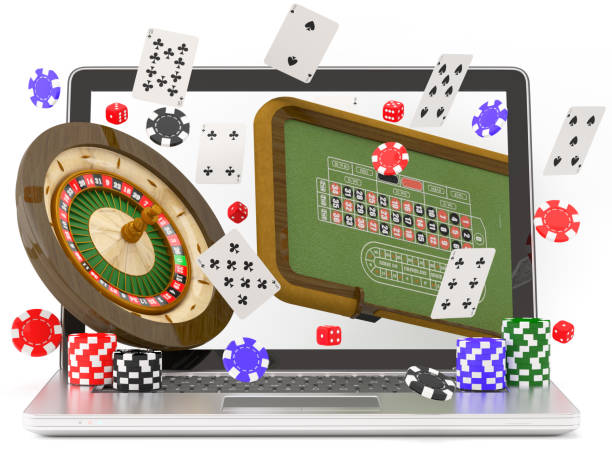
Pin Up Casino: A Safe Gambling Environment
Pin Up Casino is committed to providing a safe and secure environment for players seeking thrilling gaming experiences. The platform offers a wide range of games, from slots to live dealer experiences, ensuring that players have numerous options to explore. Additionally, Pin Up emphasizes responsible gaming, offering resources to help players maintain control over their gambling behaviors.
With exciting promotions, including welcome bonuses and free spins, Pin Up Casino strives to enhance the gaming experience while prioritizing player safety. As the popularity of online gambling continues to rise, platforms like Pin Up are leading the way in creating a responsible, engaging space for risk-takers.
Leave a Reply